 how-to
What to Do When Stranded: A 2026 Survival Guide
Table of Contents
- What to Do When Stranded: Stay Calm and Assess First
- What to Do If Your Car Breaks Down on the Highway
- Emergency Car Kit Essentials Every Driver Should Carry
- How to Signal for Help and Communicate Your Location
- Psychological Resilience: Managing Panic When Stranded
- Is Roadside Assistance Worth It for Stranded Drivers?
- What to Do When Stranded: Legal and Financial Considerations
- Frequently Asked Questions
Last Updated: September 2, 2026
What to Do When Stranded: Stay Calm and Assess First
Knowing what to do when stranded is the difference between a manageable inconvenience and a dangerous situation. At RCRA, we provide reliable, 24/7 roadside assistance services to keep you moving whenever trouble strikes, and the single biggest mistake we see is panic-driven decision-making in the first five minutes.
The first rule is simple: stop moving and breathe. Situational awareness is your most valuable survival tool, and you cannot access it while you're in fight-or-flight mode. Take 60 seconds to assess what's happening around you before doing anything else.
Situational Awareness: Road vs. Wilderness
The approach to being stranded changes dramatically depending on your environment. On the road, your primary risks are traffic, weather exposure, and time. In a wilderness scenario, the stakes include dehydration, hypothermia prevention, and navigation back to safety. Identify which situation you're in before you do anything else.
Inventory Your Supplies and Resources
Once you've assessed your environment, inventory what you have. Check for water, food, a charged phone, first aid kit, warm clothing, flashlight, and any tools or signaling devices. Knowing what you have prevents waste and helps you plan. Rationing supplies from the start is one of the most practical survival habits you can build.
What to Do If Your Car Breaks Down on the Highway
A highway breakdown is a roadside emergency. The moment you feel something wrong with your vehicle, your priority is getting safely off the road, not diagnosing the problem.
Pull as far onto the shoulder as possible. If you can reach an exit, take it. Once stopped, turn on your hazard lights immediately. According to National Highway Traffic Safety Administration guidance on roadside safety, secondary crashes involving stopped vehicles are a leading cause of roadside fatalities, and visibility is your primary defense.
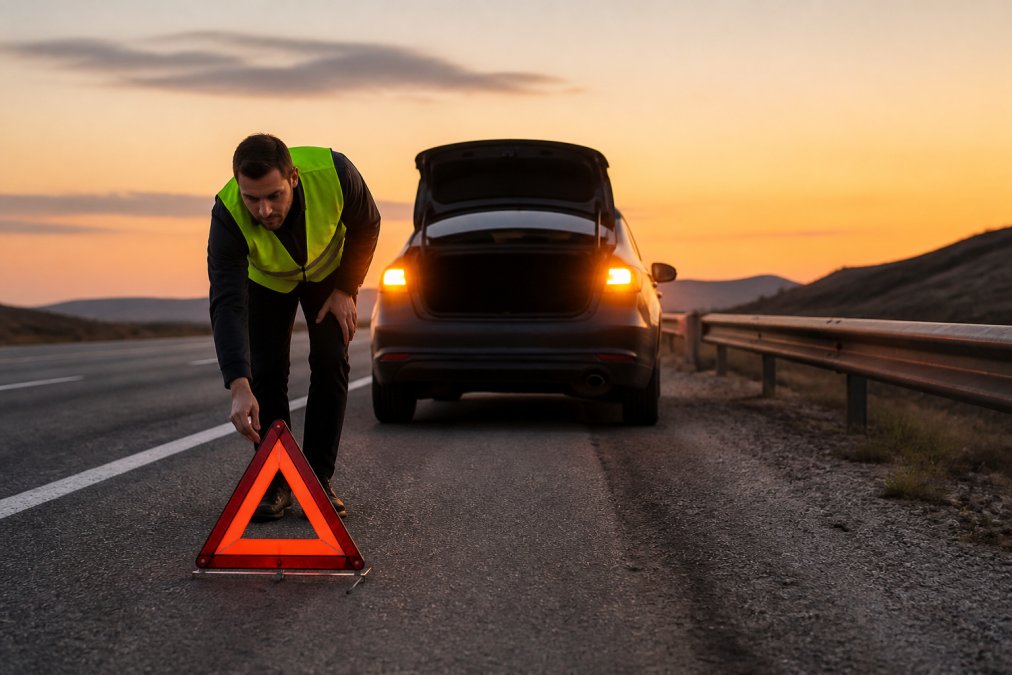
Immediate Safety Steps After a Breakdown
Follow these steps in order:
- Pull completely off the travel lane onto the shoulder or a nearby exit
- Turn on hazard lights immediately
- Stay inside the vehicle if you're on a high-speed road with no barrier protection
- If you must exit, get out on the passenger side away from traffic
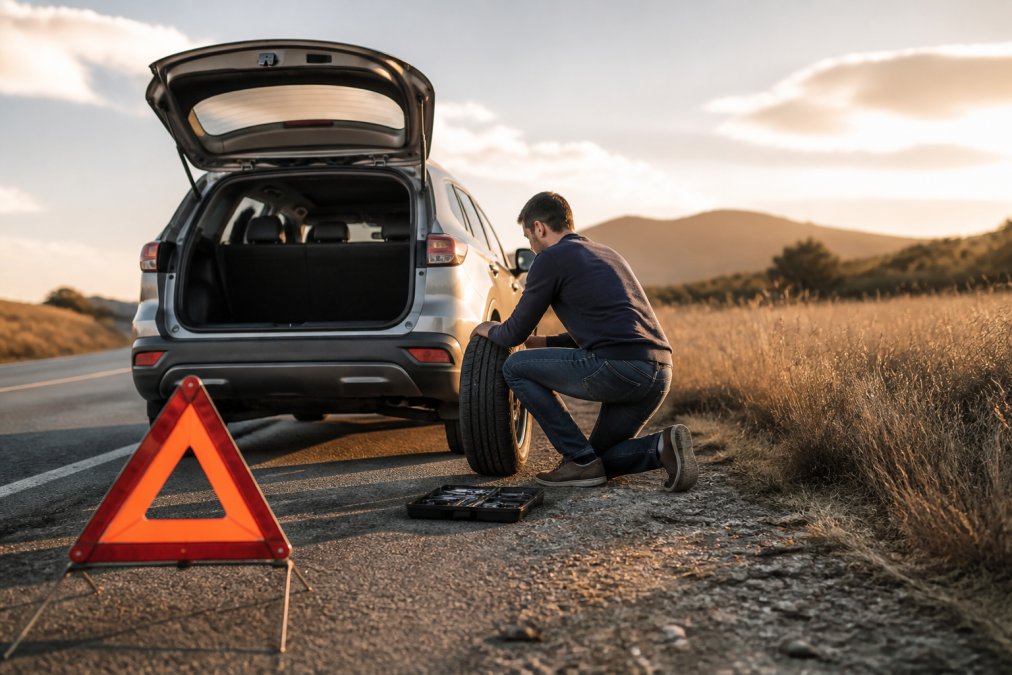
- Place reflective triangles or road flares behind your vehicle to warn approaching drivers
- Call for help before attempting any repairs
Many drivers try to fix the problem first and call for help second. That sequence costs time and increases exposure to traffic.
Staying Put vs. Seeking Help on the Road
On a highway, the answer is almost always: stay with your vehicle. Your car is visible to passing motorists and emergency services. It provides shelter from elements and makes you easier to find. Leaving it puts you in traffic on foot. The exception is a genuine safety threat: a fire, rising floodwater, or a location where your vehicle cannot be seen.
Emergency Car Kit Essentials Every Driver Should Carry
Most people don't think about emergency preparedness until they need it. The drivers who handle breakdowns calmly are the ones who prepared before they left the driveway.
Here's what a solid emergency car kit should contain:
| Item | Purpose | Analog or Digital |
|---|---|---|
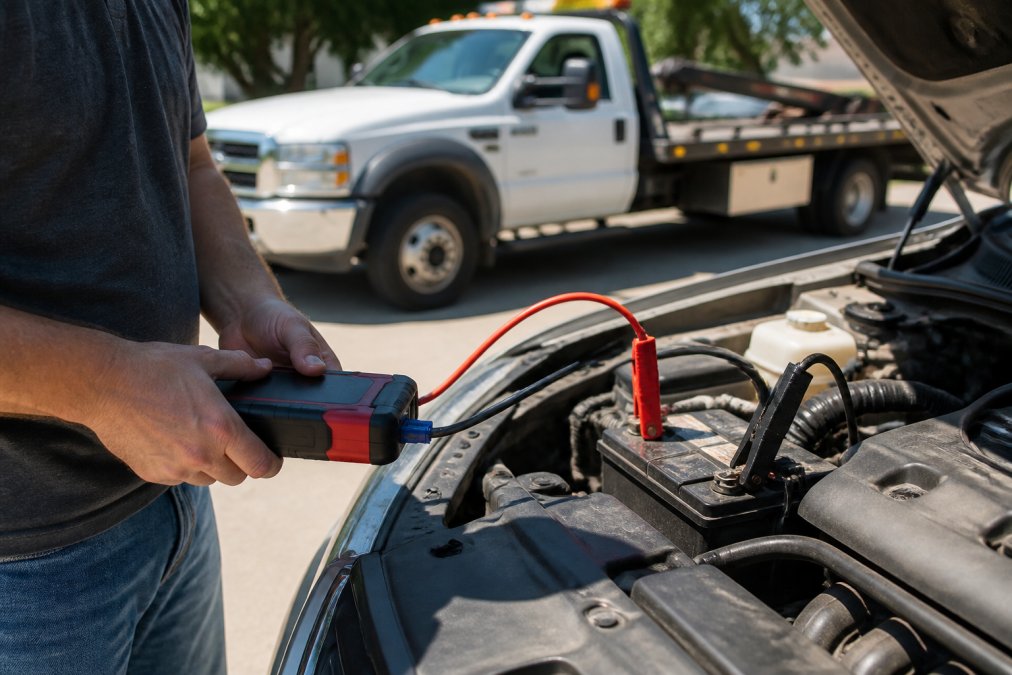
| Jumper cables or jump starter | Dead battery recovery | Analog |
| Reflective triangles / road flares | Distress signal and traffic warning | Analog |
| Flashlight with spare batteries | Visibility at night | Analog |
| First aid kit | Injury management | Analog |
| Emergency mylar blanket | Thermal regulation, hypothermia prevention | Analog |
| Water (at least one liter) | Dehydration prevention | Analog |
| Phone charger / power bank | Emergency communication | Digital |
| Printed roadside assistance card | Backup when phone is dead | Analog |
| Tow strap or tire inflator | Basic mechanical recovery | Analog |
| Reflective safety vest | Visibility if you exit the vehicle | Analog |
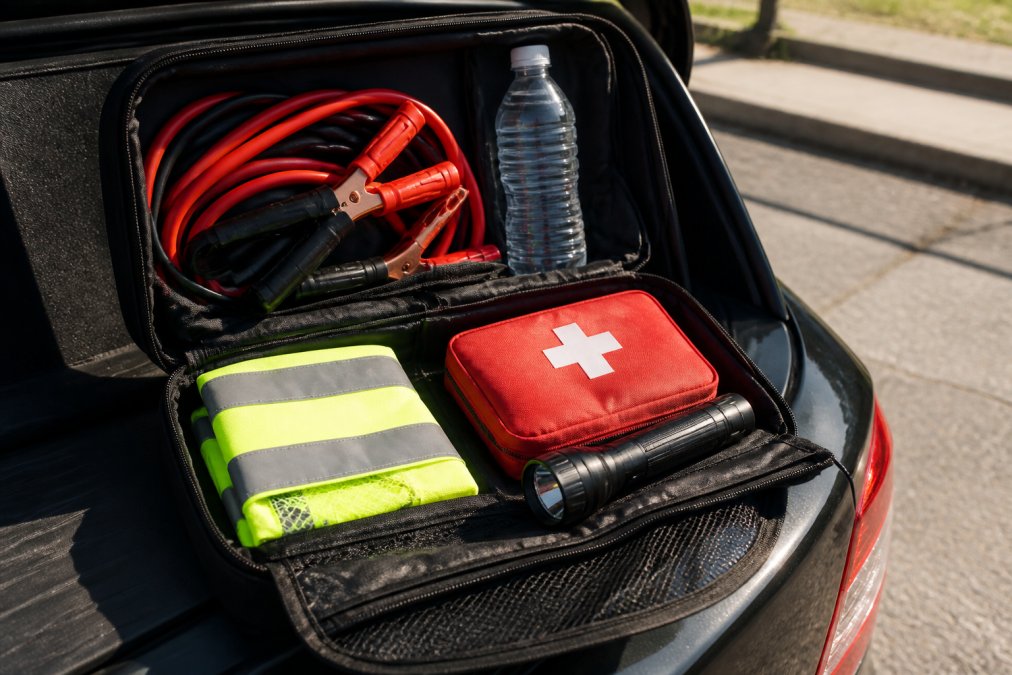
Digital vs. Analog Emergency Tools
Digital tools fail at the worst possible moments. A dead battery means no phone. A rural area means no signal. Build your kit around analog tools first, then layer digital tools on top. Printed maps, physical road flares, and a paper copy of your roadside assistance contact number work when your phone doesn't. A portable power bank extends your digital window, but it's not a replacement for analog backups.
How to Signal for Help and Communicate Your Location
An effective distress signal makes your location visible and communicates that you need assistance. On the road, hazard lights are your first signal. Reflective triangles placed 50 to 100 feet behind your vehicle extend your visibility footprint. A reflective safety vest makes you personally visible if you're outside the car.
For wilderness scenarios, the SOS signal is the universal distress signal: three short, three long, three short. This works with a flashlight, a whistle, or any audible or visual device. According to U.S. Forest Service guidance on signaling for rescue, open clearings, hilltops, and reflective surfaces dramatically improve the reach of emergency signaling.
When you call for help, communicate your location precisely. If you're on a highway, name the road, the direction of travel, and the nearest milepost marker. If you're in a wilderness area, give your last known coordinates, the trailhead you started from, and your planned route. Search and rescue teams work faster with specific location data.
Psychological Resilience: Managing Panic When Stranded
Panic is the enemy of good decision-making. Acute stress narrows attention, impairs problem-solving, and drives impulsive action. Mental fortitude in an emergency is not about being fearless. It's about having a protocol that runs before fear takes over.
When you feel panic rising, a simple three-step reset can help:
CLICK HERE TO CALL US NOW!!! →
- Stop all movement. Sit down if possible. Remove yourself from any immediate physical task.
- Control your breathing. Four counts in, hold for four, four counts out. Do this three times minimum.
- State the facts out loud. "My car is on the shoulder. Hazard lights are on. I have my phone. I'm going to call for help." Verbalizing the situation activates the rational brain.
The most dangerous moment is the first ten minutes, when the impulse to do something, anything, is strongest. Most of what needs to happen is small and methodical: hazard lights, inventory, phone call.
Is Roadside Assistance Worth It for Stranded Drivers?
Roadside assistance is worth it for any driver who doesn't want to manage a breakdown alone. Many drivers already have some form of coverage through their auto insurance or a national auto club. The problem is that national services often dispatch through third-party networks, which creates gaps in response time, communication, and accountability.
According to AAA's annual roadside assistance response data, average wait times vary significantly by region and time of day, with rural and nighttime calls consistently experiencing longer delays.
What to Expect From a 24/7 Roadside Service
A genuine 24/7 roadside service means live agent support around the clock, not an answering machine or a callback queue. When you're stranded on a highway at 2 AM, the difference between a live person and an automated system is the difference between feeling helped and feeling abandoned.
What to look for in a roadside assistance provider:
- Live agent availability: A real person answers, every call, every hour
- Transparent pricing: Flat rate service call pricing with no hidden fees
- Local coverage: A provider who knows your area and dispatches from it
- Clear response commitment: An honest arrival window, not a vague estimate
RCRA offers exactly this for drivers in the Hutchinson and South Hutchinson areas: 24/7 live agent support, flat rate pricing, and local dispatch.
What to Do When Stranded: Legal and Financial Considerations
On the road, if your vehicle is blocking traffic or is in a no-stopping zone, law enforcement may have it towed. The best way to avoid this is to move your vehicle as far off the road as possible and call for assistance before an officer arrives.
If you're involved in a secondary accident while stranded, document everything. Photograph your vehicle's position, the road conditions, and any damage before moving anything. This documentation matters for insurance claims.
Review your current roadside coverage before you need it. Know what's covered, what requires out-of-pocket payment, and what your provider's process is for reimbursement. For wilderness or travel emergencies, trip interruption coverage through travel insurance may cover hotel stays, transportation, and emergency communication costs. According to Insurance Information Institute guidance on travel and auto coverage, standard auto policies rarely cover non-vehicle-related stranded scenarios.
For wilderness rescues, search and rescue operations in most states are publicly funded, meaning you are not automatically billed. However, some states have enacted cost-recovery laws for negligent or reckless behavior that necessitated the rescue.
Being stranded is stressful. Being unprepared makes it dangerous. Whether you're on a highway shoulder or miles from the nearest road, the same fundamentals apply: stay calm, inventory your resources, signal for help, and call someone who will actually answer.
For drivers in the Hutchinson and South Hutchinson areas, RCRA provides 24/7 live agent roadside assistance with flat rate pricing and no automated queues. When you call at 2 AM, a real person answers. Call RCRA now and get moving again.
Frequently Asked Questions
Q: What is the first thing you should do if you are stranded?
A: Get yourself to a safe location immediately. If you're in a vehicle, move it as far off the road as possible, turn on your hazard lights, and stay inside with your seatbelt on until you've assessed the situation. If you're stranded outdoors, stay put unless you know exactly where help is. Once you're safe, take stock of your supplies, charge level on any devices, and options for signaling for help or making an emergency contact.
Q: Is it safer to stay with your vehicle when stranded?
A: In most roadside situations, yes. Your vehicle is easier for search and rescue teams or roadside assistance to locate than a person on foot. It also provides shelter from the elements, reducing the risk of hypothermia or dehydration. The main exception is if your vehicle is in a dangerous position, such as on active train tracks or in rising floodwater. In those cases, move to a safe distance and stay visible.
Q: What should be in a roadside emergency kit?
A: A solid emergency car kit essentials list includes jumper cables or a portable jump starter, a flashlight with extra batteries, reflective triangles or flares, a first aid kit, a reflective safety vest, a phone charger or power bank, water, and a basic tool set. Adding a mylar blanket helps with thermal regulation in cold weather. Keeping this kit in your trunk means you're prepared whether you break down on the highway or a rural back road.
Q: How can roadside assistance help when you are stranded?
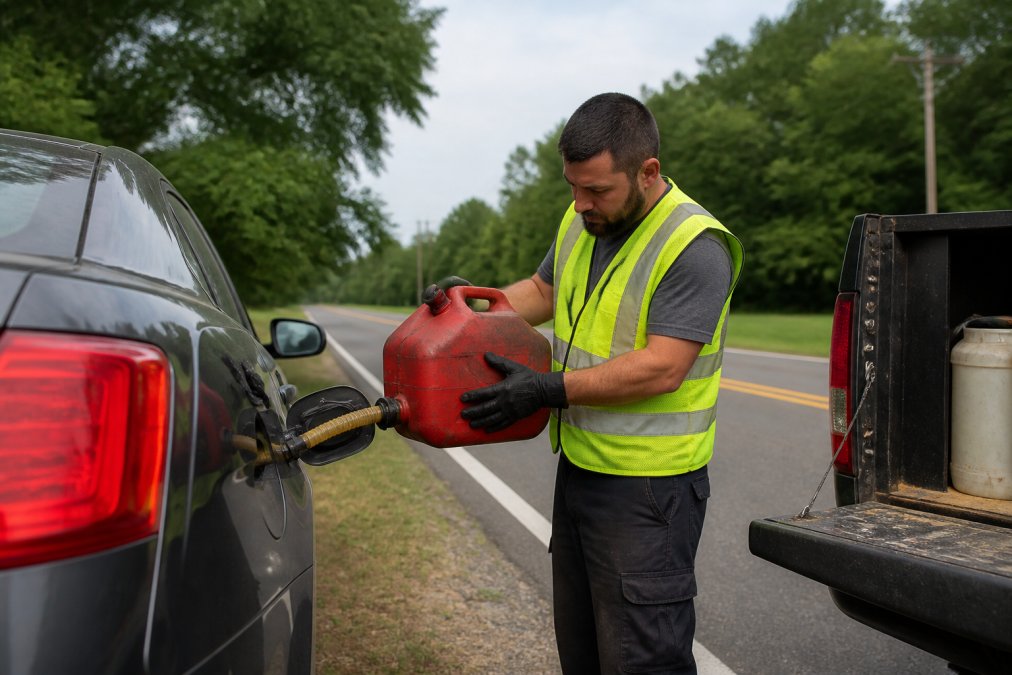
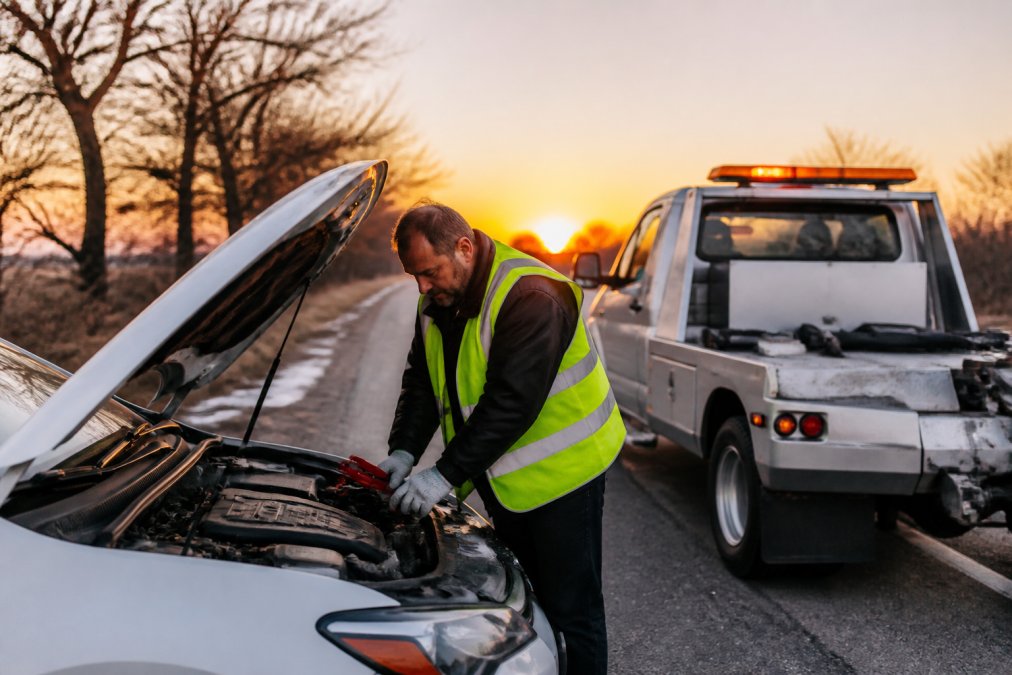
A: A 24/7 roadside assistance service dispatches a trained technician directly to your location for services like jumpstarting a dead battery, delivering fuel, or unlocking your car. The biggest advantage over calling a random tow company is speed and certainty: a dedicated service with live agent support means a real person confirms your location and sends help immediately. For drivers stranded at night or in unfamiliar areas, that direct human contact and reliable dispatch process makes a measurable difference.