 how-to
Emergency Fuel Delivery Hutchinson: How It Works
Table of Contents
- Emergency Fuel Delivery Hutchinson: What to Expect When You Call
- Step 1: Confirm Your Location and Fuel Type Before You Call
- Step 2: What Happens After You Request Emergency Fuel Delivery
- 24/7 Roadside Assistance Hutchinson: More Than Just Fuel
- Roadside Fuel Delivery Cost: What Determines Your Final Price
- Safety First: What to Do While You Wait for the Fuel Truck
- Why Drivers in Hutchinson Choose RCRA for On-Site Refueling
- Frequently Asked Questions
Last Updated: September 7, 2026
Emergency Fuel Delivery Hutchinson: What to Expect When You Call
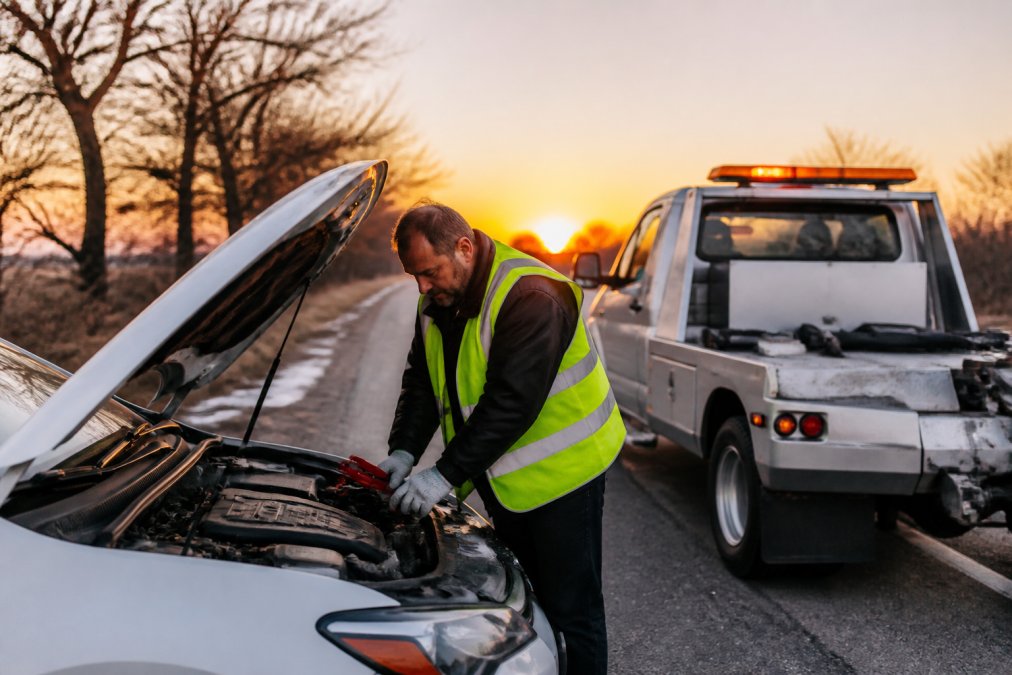
Running out of gas on a busy highway or a quiet side street in Hutchinson is a stressful experience, but emergency fuel delivery Hutchinson services exist to get you moving again quickly. When you call a local provider like RCRA, you are connecting with a live person who dispatches a certified operator directly to your vehicle, eliminating the need to walk to a distant station or rely on a stranger. This guide explains exactly how the process works, what it costs, and how to stay safe while you wait.
The most important thing to know is that you should not attempt to push your vehicle or walk along the roadside to find fuel. A professional mobile refueling service brings the gas to you, and in Hutchinson, response times are typically measured in minutes, not hours. Below, we will walk through each step of the process so you know precisely what to expect from the moment you pick up the phone to the moment your engine turns over again.
AAA's guide on what to do after running out of gas recommends staying in your vehicle with hazard lights on as the safest first step, which aligns with how professional dispatch centers handle these calls.
Step 1: Confirm Your Location and Fuel Type Before You Call
Before you dial, gather three pieces of information: your exact location, the fuel type your vehicle requires, and your current fuel gauge reading. Your location should include the nearest cross street, mile marker, or exit number, because dispatch centers use this to route the nearest available truck to you.
Most gasoline vehicles take regular unleaded gasoline, but diesel engines and flex-fuel vehicles require specific fuel grades. Check your owner's manual or the inside of your fuel door if you are unsure. The RCRA team confirms your vehicle's fuel type during the call to ensure the technician arrives with the correct petroleum products, preventing any delay or the risk of putting the wrong fuel in your tank.
This preparation shaves valuable minutes off your wait time. A precise location helps the dispatcher avoid sending the truck to the wrong side of town, and knowing your fuel type means the operator can load the right fuel grade before they even leave the depot.
Step 2: What Happens After You Request Emergency Fuel Delivery
Once you confirm your location and fuel type, the dispatcher sends a certified operator to your position. The operator will arrive with the necessary fuel to get you back on the road.
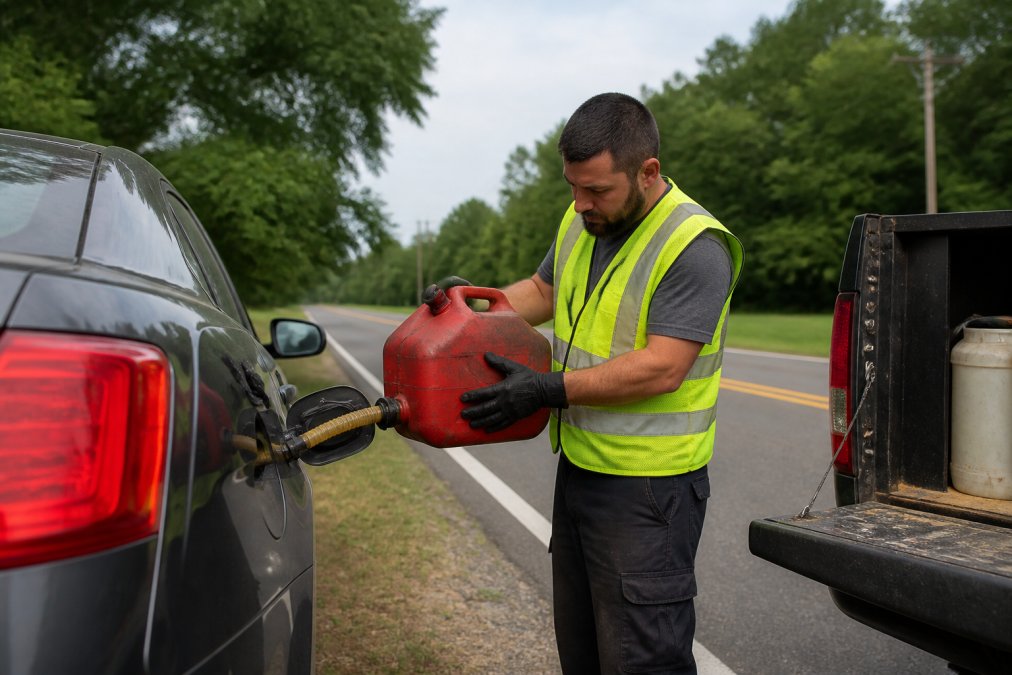
The operator will arrive in a marked service vehicle, often with flashing lights to alert other drivers. They will position the truck safely near your vehicle, confirm your identity, and then complete the refueling. Most emergency fuel solutions providers carry enough fuel to give you several gallons, which is enough to reach the nearest station.
The technician provides a clear total before they start pumping. After the fuel is in your tank, the operator will confirm your vehicle starts before they leave, ensuring you are not stranded again a mile down the road.
24/7 Roadside Assistance Hutchinson: More Than Just Fuel
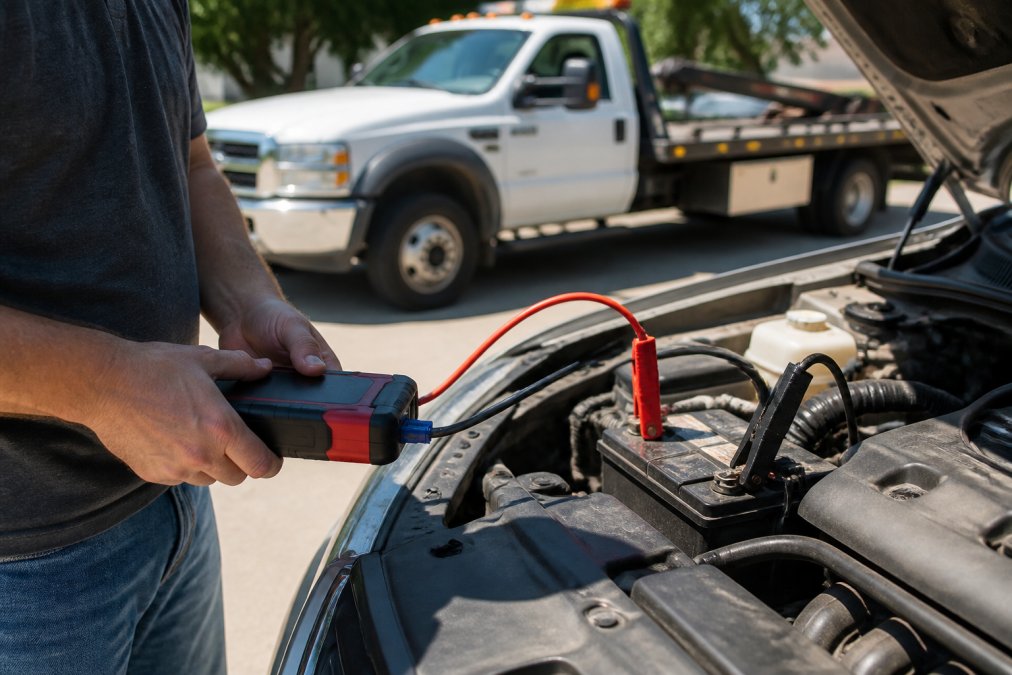
Emergency fuel delivery is one part of a broader roadside assistance Hutchinson network that handles dead batteries, lockouts, and flat tires. Many drivers call for fuel only to discover their battery died while they were waiting, which is why RCRA technicians arrive prepared for multiple scenarios.
The technician can perform a quick battery test while they are on site, and if the battery is dead, they can provide a jumpstart service right then. This avoids a second service call and gets you back on the road in a single visit. Similarly, if you locked your keys in the car while checking your fuel level, the same operator can handle the unlock.
This multi-capability approach is what separates a dedicated local service from a national dispatch network. Local providers keep trucks in the area, so the travel time is short, and the operator has the flexibility to solve related problems on the spot rather than sending a separate truck for each issue.
Roadside Fuel Delivery Cost: What Determines Your Final Price
The roadside fuel delivery cost is not a single published number because every call is priced on three variables: the service call (dispatch and travel), the fuel itself, and the time-of-day multiplier. Understanding how each one is calculated helps you ask the right questions before you commit.
Service call fee. This is the base charge for the truck to reach you. It typically covers the first miles of travel and the technician's time. In Hutchinson, where RCRA provides local service coverage, this fee is part of the transparent pricing structure. The fee rises with distance: a call near the intersection of Highway 61 and 17th Avenue will cost less than one on the far side of the Hutchinson Regional Medical Center campus, simply because of drive time.
Per-gallon fuel charge. The fuel itself is priced per gallon. Legitimate providers will quote the per-gallon rate during the same call where you request service.
Time-of-day multiplier. A 2 AM call on a holiday weekend carries a higher rate than a Tuesday afternoon request. This is standard across the industry because the technician is on call, not on a regular shift. Some providers charge a flat after-hours fee; others apply a percentage surcharge. Ask which model they use so you can compare quotes fairly.
What you should ask before hanging up:
- "What is the total service call fee including tax?"
- "What is the per-gallon price for my fuel type (regular unleaded, diesel, or E85)?"
- "Is there an after-hours or weekend surcharge, and how much is it?"
- "Is the total price confirmed before the truck leaves the depot?"
A reputable local operator will answer all four without hedging. The Federal Trade Commission guidance on surprise billing practices recommends getting a price estimate in writing or verbally recorded before service begins. If a provider quotes a low call-out fee but cannot break down the fuel and surcharge components, that is a red flag for hidden add-ons.
CLICK HERE TO CALL US NOW!!! →
One cost factor drivers often overlook is the minimum fuel quantity. Many emergency services require a minimum purchase of fuel. Knowing this in advance prevents sticker shock when the technician hands you the total.
Safety First: What to Do While You Wait for the Fuel Truck
Your safety while waiting starts with where you stop and how you signal, but it does not end there. The minutes before the fuel truck arrives are when most avoidable accidents happen, and they are also when drivers make well-intentioned mistakes with portable fuel containers or loose clothing. Here is the full protocol, from the moment your engine sputters to the moment the technician caps your tank.
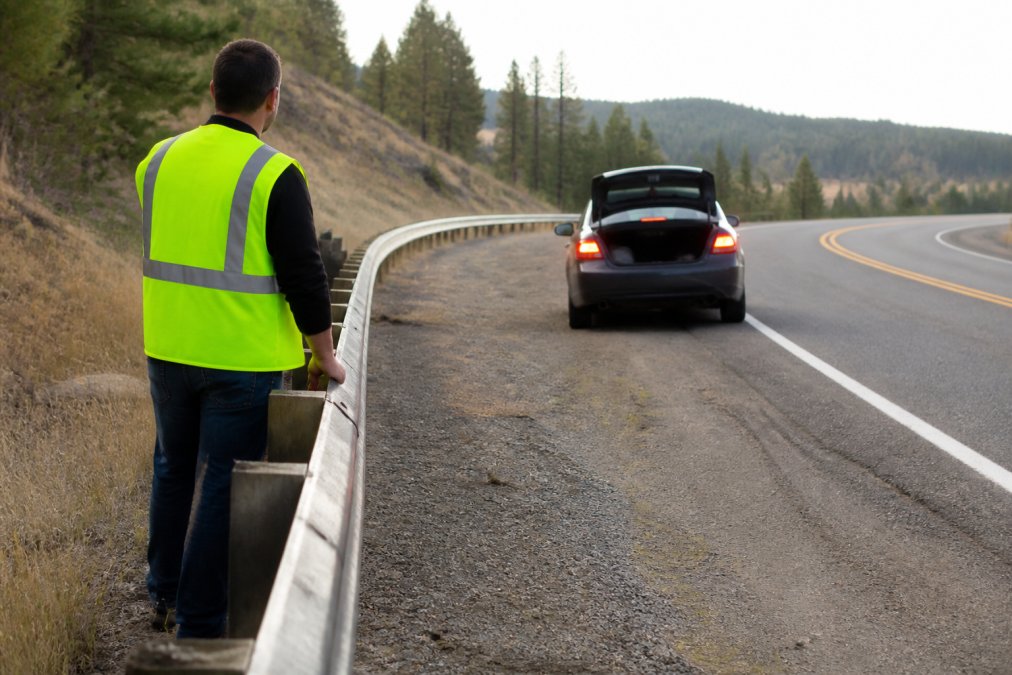
Stop in the safest possible position. If you feel the engine losing power, do not brake hard. Coast to the right shoulder, as far off the travel lane as the terrain allows. On a divided highway like Highway 61, that means the right shoulder, not the median. If you are on a curve or just past a hillcrest, continue slowly to a straight, visible stretch if you can do so safely. Once stopped, turn your wheels away from traffic, set the parking brake, and activate your hazard lights.
Stay inside with your seatbelt on. The AAA's guide on what to do after running out of gas is explicit: remain in the vehicle with the doors locked. Exiting the car puts you in the path of passing vehicles, especially at dawn, dusk, or in rain. If you must exit, use the door on the side away from traffic and move behind the guardrail or at least 15 feet onto the shoulder.
Set visual warnings only if you have them. Reflective triangles or flares should be placed approximately 100 feet behind your vehicle to give approaching drivers time to merge. If you do not have them, do not walk down the highway to find help. Your hazard lights are sufficient for a short wait, and the fuel truck will arrive with its own warning lights.
Fuel-specific hazards most drivers ignore:
- Static electricity is the real danger. When a technician transfers fuel, they bond the nozzle to your vehicle's metal frame before pumping. If you attempt to pour from a portable can, you lose that bonding. A static charge can build on your clothing or the can itself, and the spark can ignite fuel vapors. This is why the technician wears anti-static gloves and uses approved containers.
- Do not smoke or use a phone near the fuel fill. Fuel vapors are heavier than air and pool near the ground. A cigarette ember or even a phone battery spark can ignite them. Step at least 20 feet away from the vehicle before using your phone to call for help.
- Never re-enter the vehicle while the nozzle is pumping. The technician will handle the nozzle. If you sit down while fuel is flowing, static can build as you slide across the seat, and touching the nozzle afterward creates a spark risk.
- Do not overfill. The technician knows the correct shutoff point. If you are adding fuel from a portable container, leave room for expansion. Overfilling pushes liquid fuel into the vapor recovery system, which can cause a fire hazard on a hot day.
When the technician arrives:
Keep your doors locked until the driver identifies themselves. Legitimate providers like RCRA send marked vehicles with company logos. Confirm the driver's name matches the one dispatch gave you. Once identified, roll down your window just enough to speak, and follow their instructions about where to stand. The technician will position the truck to shield you from traffic and will handle the entire refueling operation on the traffic side.
If you have a portable container in your trunk, do not use it while waiting. The technician can transfer fuel from their truck directly into your tank, which is safer and faster than a funnel-and-can approach.
Why Drivers in Hutchinson Choose RCRA for On-Site Refueling
When you are stranded, you need a service that answers the phone, shows up when promised, and charges a fair price. RCRA provides exactly that with live service agent support available 24 hours a day, seven days a week. You will never reach an automated system when you are panicking on the side of the road.
Local coverage is the other differentiator. RCRA's service radius covers Hutchinson and South Hutchinson, which means shorter travel times and faster response. The technicians know the local roads, the highway interchanges, and the safest places to stop.
For a reliable solution, the process is simple: call, confirm your location and fuel type, and a certified operator comes to you. Whether you need a few gallons to reach a station or an emergency fuel solution, RCRA handles it with transparent pricing and immediate dispatch.
Getting stranded without fuel is never convenient, but knowing how the delivery process works removes most of the anxiety. By confirming your location and fuel type before you call, understanding the pricing structure, and following basic safety protocols while you wait, you can turn a stressful situation into a minor delay. RCRA combines 24/7 availability, live human support, and local coverage in Hutchinson and South Hutchinson to get you moving again without hidden fees or endless hold times. CLICK HERE TO CALL US NOW and get the fuel you need delivered to your exact location.
Frequently Asked Questions
How long does it take for emergency fuel delivery to arrive in Hutchinson?
Response times depend on your exact location and current traffic. RCRA prioritizes calls within Hutchinson and South Hutchinson city limits. When you call, the live dispatcher gives you an estimated arrival window based on the nearest available technician. The goal is to get a certified operator to you as quickly as possible so you are not stranded longer than necessary.
What information do I need to provide when requesting roadside fuel delivery?
Have your exact location or nearest cross streets ready. Tell the dispatcher whether you need unleaded gasoline or diesel fuel. Knowing your vehicle's fuel type and approximate tank capacity helps the technician bring the right amount. If you are on a highway, state your direction of travel. This information speeds up the dispatch process and ensures the truck arrives prepared.
Is there a company that delivers gas to your vehicle in Hutchinson?
Yes. RCRA provides on-demand emergency fuel delivery throughout Hutchinson and South Hutchinson. A mobile refueling truck comes directly to your stranded vehicle and delivers enough fuel to get you to a nearby station. This service is part of our broader 24/7 roadside assistance offering, which operates through a local dispatch center with live agents ready to help.
How is roadside fuel delivery cost calculated?
Roadside fuel delivery cost depends on several factors: the distance from our dispatch center to your location, the amount of fuel you need, and the time of day. RCRA uses flat-rate service call pricing with transparent pricing structures, so you know the service fee upfront. Contact RCRA directly for a quote based on your specific situation.