 comparison
Roadside Assistance vs Insurance Plans: 2026 Guide
Table of Contents
- Roadside Assistance vs Insurance Plans: What's the Real Difference?
- Quick Comparison: Membership vs. Policy Endorsement
- Cost Comparison: Membership Fee vs. Annual Premium
- Roadside Assistance Coverage Limits: What Each Plan Caps
- Does Roadside Assistance Affect Insurance Rates?
- Standalone Roadside Assistance vs Insurance Add-On: Which Fits?
- How to Choose the Right Plan for Your Driving Habits
- Final Verdict: What Matters Most
- Frequently Asked Questions
Last Updated: September 8, 2026
Roadside Assistance vs Insurance Plans: What's the Real Difference?
The distinction between roadside assistance vs insurance plans comes down to who provides the service and how it attaches to you. A standalone membership covers the person, while an insurance add-on covers a specific vehicle listed on your policy. This one difference determines everything about cost, portability, and what happens when you call for help.
Most drivers assume these options are interchangeable. They are not. The choice affects whether you are covered when driving a friend's car, how much your premiums move after a claim, and how long you wait on the shoulder of a highway at 2 AM. At RCRA, we provide reliable, 24/7 roadside assistance services to keep you moving whenever trouble strikes.
Roadside assistance is an emergency service that provides help when your vehicle breaks down, including battery jump starts, tire changes, lockout service, and towing. The real question is whether you want that service tied to your auto insurance policy or delivered through a separate membership built specifically for breakdown assistance.
Quick Comparison: Membership vs. Policy Endorsement
A standalone membership like AAA operates independently of your car insurance. You pay an annual fee, and the coverage follows you as the driver, not the vehicle. An insurance endorsement, such as the add-on offered by Geico or Allstate, bolts roadside coverage onto your existing auto policy for a fraction of the cost but limits help to the insured car.
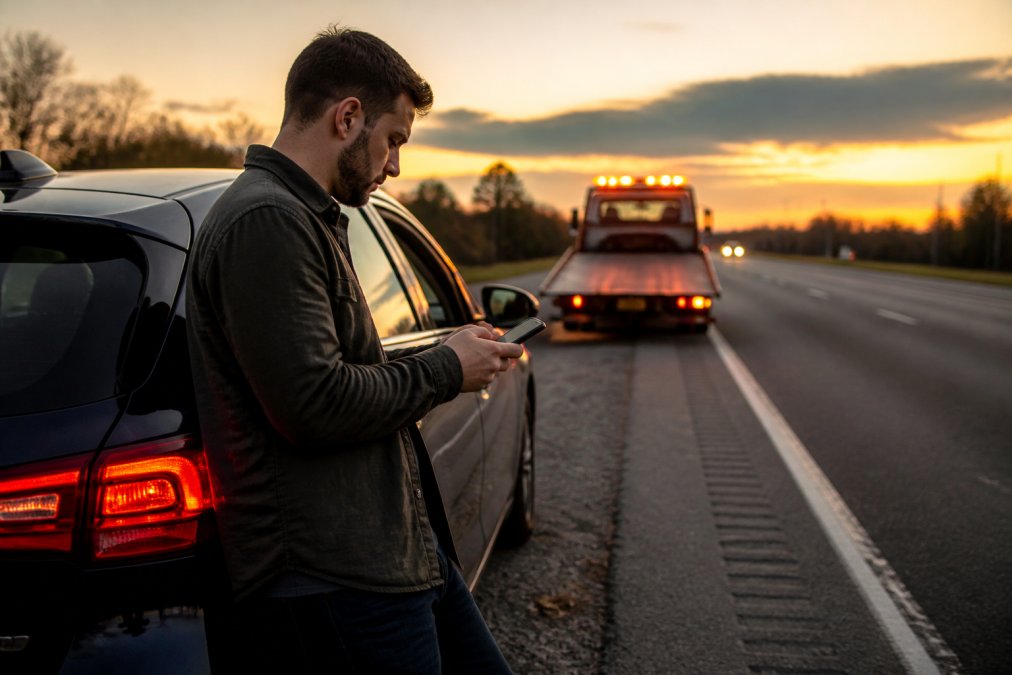
The coverage model shapes every other factor. Memberships are person-based: if you are riding in a neighbor's vehicle or driving a rental, the service still applies. Policy endorsements are vehicle-based: the coverage dies with the car on the policy. For households with multiple drivers sharing one car, this distinction matters far more than the price tag.
| Feature | Standalone Membership | Insurance Add-On |
|---|---|---|
| Coverage attaches to | The person | The insured vehicle |
| Typical annual cost | Higher membership fee | Low policy premium |
| Driving someone else's car | Covered | Not covered |
| Filing a claim | No insurance claim | Potential premium impact |
| Service network | Dedicated dispatch | Insurer's contracted providers |
Cost Comparison: Membership Fee vs. Annual Premium
Insurance add-ons win on sticker price, and it is not close. Geico's roadside assistance runs about $14 per year as a policy endorsement, while Allstate charges roughly $25 annually (geico.com). A standalone membership like AAA starts near $65 per year and climbs with higher tiers that extend towing mileage limits.
The low premium is attractive, but it hides a secondary cost. Using an insurance-based roadside service can register as a claim on your policy, and repeated calls may influence your renewal rates. A membership fee is a flat cost for a service call with no connection to your insurance record. If you use roadside help more than once a year, the apparent savings of the add-on can evaporate through premium adjustments.
For drivers in Hutchinson who want predictable, flat rate service call pricing without touching their auto policy, a local provider like RCRA offers a middle path: pay for the service when you need it, with live service agent support.
Roadside Assistance Coverage Limits: What Each Plan Caps
Coverage limits define what "help" actually means, and they vary wildly between memberships and insurance endorsements. Standard services across both models include battery jump start, flat tire change, lockout service, and fuel delivery. The divergence appears in towing distance, incident caps, and winch-out service.
Towing Mileage and Incident Caps
Towing mileage is where plans separate themselves. Entry-level memberships typically cap tows at 5 miles before per-mile charges apply, while premium tiers extend to 100 miles or more (aaa.com). Insurance endorsements often impose stricter mileage limits and may cap the number of service calls per year, sometimes as low as four or five incidents annually.
Pay-per-use models eliminate caps entirely: you call, you pay a flat rate, and the service is delivered. This suits drivers who rarely break down but want certainty when they do. The trade-off is that a single tow can cost more than a year of membership, so infrequent users benefit most from this structure.
Does Roadside Assistance Affect Insurance Rates?
Using roadside assistance through your auto insurer can affect your rates, depending on how the carrier classifies the call. Some insurers treat roadside service as a claim, and multiple claims within a policy period can trigger a surcharge at renewal (insurance.ca.gov). Others separate roadside from collision and liability coverage, meaning a jump start does not count against you.
The ambiguity is the problem. Policyholders often do not know which category their call falls into until renewal arrives. Standalone memberships and independent providers sidestep this entirely because they never interact with your insurance record. If premium stability matters to you, keeping roadside assistance separate from your auto policy removes the risk of an unwelcome rate adjustment after a single dead battery.
Standalone Roadside Assistance vs Insurance Add-On: Which Fits?
The right choice depends on your driving patterns and tolerance for surprise costs. Choose an insurance add-on if you want the cheapest possible safety net, own a single vehicle, and rarely use roadside services. Choose a standalone membership if you drive multiple cars, frequently drive vehicles you do not own, or want predictable coverage that follows you as a person.
Coverage Portability and Service Network
Portability is the strongest argument for membership-based roadside assistance. Your coverage travels with you across vehicles, states, and even into rental cars. Insurance endorsements chain you to one car; lend that car to a family member and the coverage follows the vehicle, not the driver you intended to protect.
Service network quality also differs. Major auto clubs maintain large networks of contracted service providers with dispatch centers dedicated to roadside emergencies. Insurance add-ons often route through the same type of network, but response quality varies by region. In smaller markets like Hutchinson, a local provider with direct coverage of the area can offer immediate roadside assistance.
Wait Times and Dispatch Quality
Wait times are the hidden differentiator that no brochure quotes. National dispatch centers coordinate through regional contractors, which can mean longer delays in less populated areas. A local provider dispatches directly, knows the geography, and reaches the scene faster.
When you are stranded at 2 AM, immediate roadside assistance is crucial. RCRA is available 24 hours a day, seven days a week, with live service agent support.
How to Choose the Right Plan for Your Driving Habits
Match the plan structure to how you actually drive. If you commute daily through Hutchinson and South Hutchinson in one reliable car, a low-cost insurance endorsement covers the rare breakdown without breaking your budget. If you drive multiple vehicles, travel frequently, or want coverage that follows you regardless of the car, a person-based membership justifies its higher fee.
Consider your tolerance for out-of-pocket expenses. Reimbursement models require you to pay the tow truck driver upfront and file for repayment later, which strains your cash flow during an already stressful event. Direct dispatch models send help to your location without you handling money on the roadside.
Drivers who want neither an annual commitment nor an insurance claim have a third option: a local, flat rate service call provider that responds directly when you call. This model charges only when you need help, with no membership fee and no impact on your insurance.
Final Verdict: What Matters Most
Roadside assistance vs insurance plans is not a question of which is universally better. It is a question of how coverage attaches to your life. Insurance add-ons are cheap and convenient but tie you to one vehicle and risk premium movement. Standalone memberships cost more but offer portability and predictable service. Pay-per-use local providers deliver immediate help without long-term commitment.
What matters most is knowing who answers when you call and how fast they reach you. A low annual premium means nothing if the dispatch center cannot find a technician near your location. Before choosing, verify the service network, ask about response times, and confirm whether using the service touches your insurance record.
Frequently Asked Questions
Should you get roadside assistance with insurance?
Insurance add-ons are usually the cheapest entry point, often costing less than $25 per year. They cover basic services like battery jump starts, flat tire changes, and lockout service. However, coverage is tied to the specific vehicle on the policy, not to you as a driver. If you frequently drive rental cars or borrow vehicles, a standalone membership that follows the person offers better protection. For a single household vehicle, an insurance endorsement is often the most cost-effective choice.
Does using roadside assistance through insurance increase premiums?
Typically, using roadside assistance through an insurance add-on does not raise your premiums. These are service calls, not at-fault accidents, and insurers generally do not count them against your driving record. However, filing repeated claims could flag your account for review. The bigger risk is that roadside assistance is not the same as towing coverage for collision damage. Read your policy endorsement to confirm what counts as a service call versus a claim.
What are the limitations of insurance-based roadside coverage?
Insurance-based roadside coverage limits usually cap towing at 5 to 15 miles per incident, depending on the carrier. Many policies also limit the number of service calls per year, sometimes to just three or four. Coverage applies only to the insured vehicle, so you are unprotected in a rental or a friend's car. Service networks vary by region, and wait times can be longer in rural areas where the insurer contracts with third-party providers.
Is AAA cheaper than roadside assistance through insurance?
AAA Classic starts around $65 per year, while insurance add-ons often cost $14 to $30 per year. AAA is more expensive upfront, but it covers the member in any vehicle and includes higher towing mileage limits on higher tiers. Insurance add-ons are cheaper but tie coverage to one vehicle. If you drive multiple cars or want travel perks, the AAA membership fee may justify itself. For a single commuter car, the insurance endorsement saves money.
How do I know a local roadside assistance provider will actually show up?
Ask three questions before you call: Do you have live dispatchers or an automated system? What is your average response time in my area? Is your pricing flat-rate or does it depend on mileage and time of day? RCRA provides reliable, 24/7 roadside assistance services in Hutchinson and South Hutchinson. Confirm they service your specific neighborhood before you need them, not while you are stranded.
The wrong time to discover your roadside coverage is inadequate is while standing on the shoulder with a dead battery. RCRA provides 24/7 roadside assistance with live service agents and flat rate pricing for drivers in Hutchinson and South Hutchinson. Skip the membership fees and insurance complications. Get started with RCRA and get immediate help when you need it most.