 ultimate-guide
Is Roadside Assistance Worth It? A 2026 Guide
Table of Contents
- What Roadside Assistance Actually Covers
- How Roadside Assistance Works When You Need It
- Average Cost of a Tow Truck and Other Services
- Roadside Assistance vs. Insurance Coverage and Credit Card Benefits
- How to Choose a Roadside Assistance Plan
- Is Roadside Assistance Worth It for Your Situation?
- Frequently Asked Questions
Last Updated: September 3, 2026
What Roadside Assistance Actually Covers
Roadside assistance is a service that provides emergency help when your vehicle breaks down or you encounter a specific problem while driving. The coverage typically includes towing services, battery jump-starts, lockout assistance, fuel delivery, and flat tire changes. Understanding exactly what roadside assistance covers is the first step in determining whether it makes sense for your situation.
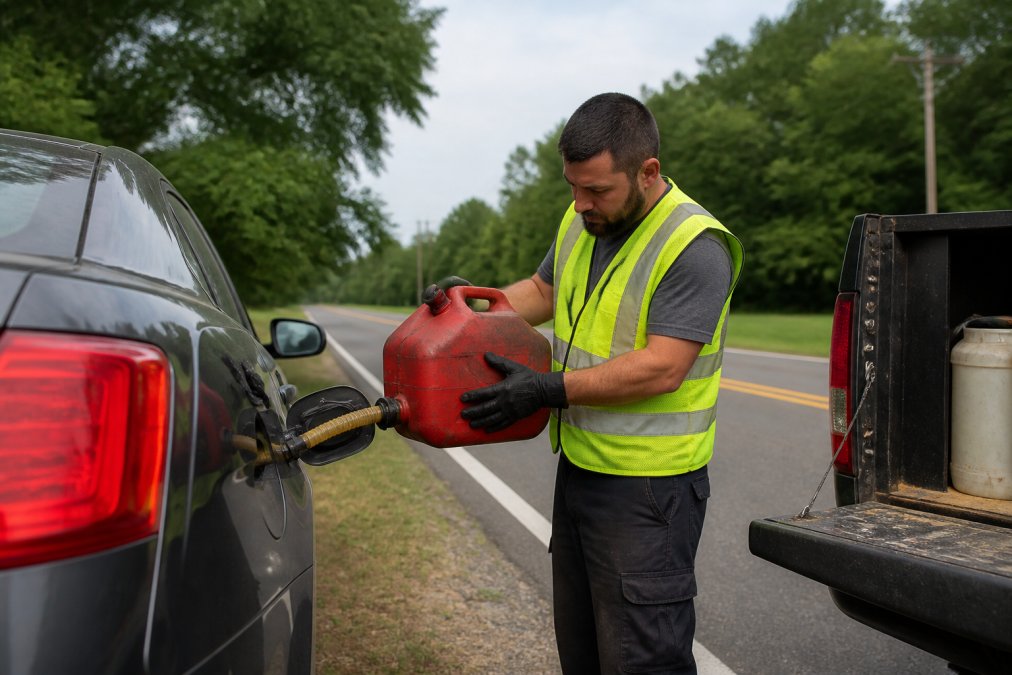
Most roadside assistance plans cover the basics: if your battery dies, a technician arrives to jump-start it. If you run out of fuel, they deliver enough to get you to a gas station. Lock yourself out of your car, and they'll help you regain access. Flat tire? They change it. These are the core services that form the foundation of most plans.
But coverage varies significantly between providers. Some plans include winch-out services for vehicles stuck in ditches or off-road situations. Others cover extrication services when a vehicle is damaged and needs specialized equipment to extract it safely. Towing radius matters too, some plans tow you 5 miles, others 50 miles or more. A few premium plans offer mobile mechanic services, where a technician diagnoses and sometimes fixes problems on-site rather than towing your vehicle immediately.
The distinction between what does roadside assistance cover and what doesn't often comes down to the specific plan you choose. Reading the fine print isn't glamorous, but it's essential. A plan that sounds comprehensive might exclude services in rural areas or cap the number of service calls per year. Others might limit towing to specific types of vehicles or exclude certain mechanical failures.
How Roadside Assistance Works When You Need It
When you're stranded on the side of the road, the process is straightforward: you call for help, dispatch connects you with a nearby technician, and they arrive to resolve your problem. The speed and reliability of this process depend heavily on the provider's dispatch network and technician availability in your area.
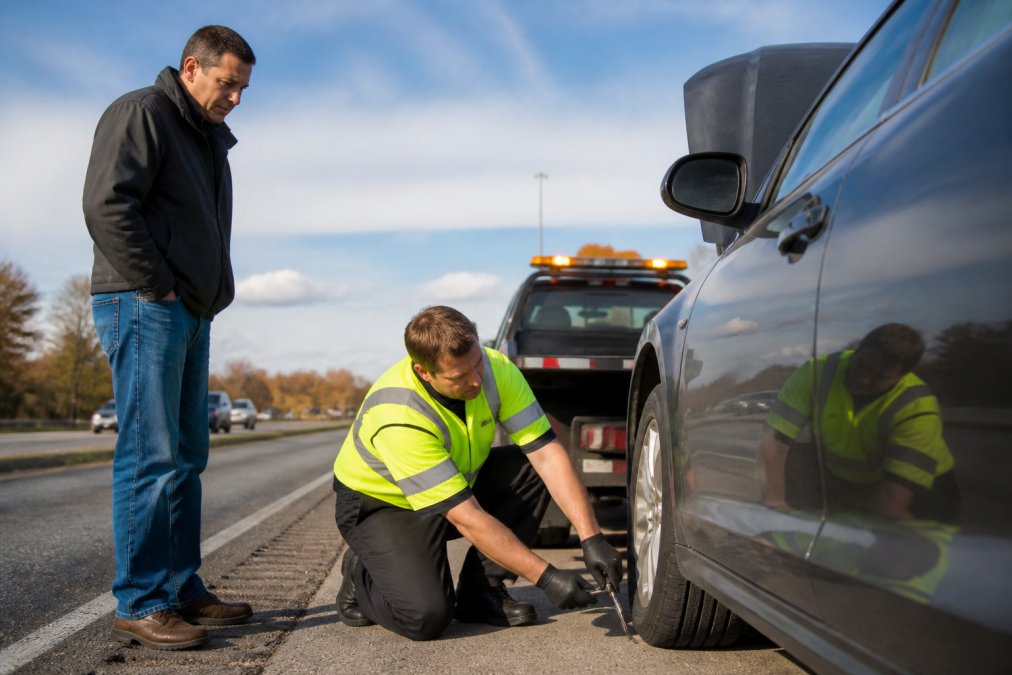
Here's how it typically works. You call the roadside assistance number, ideally from a provider with live service agent support available 24 hours a day, seven days a week. An automated system or live representative takes your information: vehicle type, location, nature of the problem. This information goes into the dispatch system immediately. The dispatcher locates the nearest available technician and sends them to your location (fcc.gov).
The wait time varies. In urban areas with dense technician networks, you might see someone arrive in 30 minutes. In rural areas, the same service could take two hours or longer (dot.gov). This is a critical factor that many people overlook when evaluating roadside assistance plans. A plan that sounds perfect might be useless if the nearest technician is 90 minutes away when you break down at midnight on a rural highway.
Real-world wait time expectations matter more than marketing promises. A provider claiming "30-minute response time" might deliver that in the city but not in every situation. Ask about their average response times in the specific areas where you drive most frequently. If you commute through rural regions or take regular road trips to remote areas, this becomes even more important.
Once the technician arrives, they diagnose the problem and take action. For a dead battery, they jump-start your vehicle. For a lockout, they unlock your car. For a flat tire, they change it. For fuel delivery, they bring enough gas to get you moving. For more serious issues, mechanical failures, major damage, they arrange towing to the nearest repair facility.
Average Cost of a Tow Truck and Other Services
Understanding what emergency roadside service actually costs helps you evaluate whether roadside assistance membership makes financial sense. Without a plan, a single tow truck call can be expensive, and multiple service calls throughout the year add up quickly.
A tow truck service typically costs more than other roadside assistance calls. The cost depends on distance, towing five miles costs less than towing fifty miles. Towing also varies by region and the complexity of the job. A simple tow on a highway differs from extracting a vehicle from a ditch or recovering a car from an accident scene. Winch-out services and extrication add significant cost.
Other individual service costs vary too. A battery jump-start without membership might cost you a service call fee plus parts. A lockout assistance call without coverage could run several hundred dollars if you need a locksmith. Fuel delivery without a plan means paying for the fuel plus a service fee. Flat tire changes vary based on whether the tire is repairable or needs replacement.
The real question isn't "What does a tow truck cost?" but rather "How much would I spend on these services without a plan?" If you break down once every two years, membership might not make sense. If you break down twice a year, membership likely saves you money. If you're an anxious driver or take frequent road trips in unfamiliar areas, the peace of mind alone might justify the cost.
Roadside Assistance vs. Insurance Coverage and Credit Card Benefits
Many drivers don't realize they might already have roadside assistance coverage through their auto insurance, credit cards, or vehicle warranty. Before buying a standalone plan, check what you already have.
Auto insurance policies often include roadside assistance as an optional rider. Your insurance company might offer towing, jump-starts, and lockout assistance as part of your policy. The advantage is simplicity, one phone call covers multiple services. The disadvantage is that coverage limits might be lower, and you're using your insurance for something that isn't technically insurance. Some drivers prefer to keep their insurance clean and use a separate service for roadside assistance.
Credit card benefits often include roadside assistance as a cardholder perk. Premium credit cards frequently offer emergency towing, jump-starts, and other services at no additional cost beyond the card's annual fee. If you already carry one of these cards, you might have coverage you've never used. The limitation is that credit card roadside assistance is sometimes limited to a certain number of calls per year or specific service types.
Vehicle warranties sometimes include roadside assistance for the warranty period. If your car is new or recently purchased with an extended warranty, check what's included. Manufacturer warranties often cover towing to a dealership if your vehicle has a mechanical failure. This differs from general roadside assistance but overlaps in some scenarios.
The comparison between these options and standalone roadside assistance plans depends on your coverage gaps. If your insurance covers towing but not lockouts, a standalone plan fills that gap. If your credit card covers emergency services but limits them to three calls per year, a plan offering unlimited calls adds value. If your warranty covers mechanical failures but you want coverage for non-mechanical problems like fuel delivery, a separate plan makes sense.
CLICK HERE TO CALL US NOW!!! →
How to Choose a Roadside Assistance Plan
Selecting the right roadside assistance plan requires evaluating several factors specific to your driving patterns and risk tolerance. A plan perfect for a city commuter might be inadequate for someone who drives rural highways regularly.
Start by identifying the services you actually need. Do you mostly worry about battery problems? Focus on plans with strong jump-start coverage. Do you take road trips to remote areas? Prioritize plans with extended towing radius and strong rural coverage. Are you prone to lockouts? Make sure lockout assistance is included. This sounds obvious, but many people buy plans with services they'll never use while missing coverage for problems they actually encounter.
Next, evaluate the dispatch network in your area. Call the provider and ask about average response times in your specific location. Ask about technician availability during the times you drive most. A plan with excellent urban coverage but sparse rural coverage is worthless if you commute through rural areas. If the provider can't answer these questions clearly, that's a red flag.
Check the coverage limits carefully. Some plans limit towing distance to 5 or 10 miles, which might not reach your preferred repair shop. Others limit the number of service calls per year. A few exclude certain types of service calls or charge extra for them. Read the fine print and ask about exceptions and limitations before committing.
Consider whether you prefer membership-based plans or on-demand services. Membership plans charge an annual or monthly fee and typically offer unlimited service calls. On-demand services charge per call, which might be cheaper if you rarely need help but more expensive if you need multiple calls per year. The choice depends on your risk profile and how often you expect to use the service.
Verify that the plan covers your specific vehicle type. Some plans exclude motorcycles, RVs, or commercial vehicles. If you drive something outside the standard passenger car category, confirm coverage before signing up.
Is Roadside Assistance Worth It for Your Situation?
Whether roadside assistance is worth it depends on your specific circumstances, not on generic advice. The right answer for a daily commuter differs from the answer for someone who drives occasionally.
Consider your vehicle's age and reliability. Older vehicles with higher mileage are more likely to experience mechanical failures. If your car is over 10 years old or has over 100,000 miles, the probability of needing roadside assistance increases significantly (peer-reviewed research). Newer vehicles with manufacturer warranties might already include adequate coverage. A 2026 model with full warranty coverage might not need additional roadside assistance, while a 2015 model with no warranty probably should have it.
Evaluate your driving patterns. If you drive primarily in urban areas with abundant repair shops and cell service, roadside assistance is less critical. If you regularly drive in rural areas, take road trips to remote locations, or commute on highways far from populated areas, roadside assistance becomes more valuable. The further you drive from help, the more valuable immediate roadside assistance becomes.
Assess your financial situation. Can you afford to pay several hundred dollars for a tow truck if your car breaks down? If unexpected out-of-pocket expenses would create financial hardship, roadside assistance provides valuable protection. If you have an emergency fund that covers these costs, the protection is less critical.
Think about your anxiety level and peace of mind. Some drivers sleep better knowing they have 24/7 roadside assistance available. Others view it as unnecessary insurance they'll never use. Both perspectives are valid. If peace of mind is worth the cost to you, that's a legitimate reason to buy the service.
The most honest answer to "Is roadside assistance worth it?" is: it depends. For a young driver with a reliable car in an urban area, it's probably unnecessary. For a parent driving an older vehicle through rural areas with children in the car, it's probably essential. For most drivers, roadside assistance worth it falls somewhere in the middle, a reasonable safety net that costs less than a single major breakdown would.
Roadside assistance provides genuine value when it matches your actual needs and driving patterns. RCRA offers reliable, 24/7 roadside assistance services with live service agent support, flat rate service call pricing, and local coverage in the Hutchinson and South Hutchinson areas. Our team prioritizes immediate response and transparent pricing, ensuring you're never left stranded when trouble strikes. If you're evaluating whether roadside assistance makes sense for your situation, RCRA's straightforward approach to emergency service delivery eliminates the uncertainty that often comes with other providers. Contact RCRA today to get the peace of mind that comes with knowing help is available whenever you need it.
Frequently Asked Questions
Q: What does roadside assistance cover, and what doesn't it include?
A: Roadside assistance typically covers towing services, battery jump-starts, lockout assistance, fuel delivery, and flat tire changes. Most plans do not cover mechanical repairs beyond the initial service call, damage from negligence, or towing beyond a specified mileage limit. Coverage limits vary by plan, so review your specific agreement carefully. Some plans exclude commercial vehicles or have restrictions on coverage radius. Always ask your provider about exclusions before purchasing.
Q: How much does roadside assistance typically cost, and is it cheaper than paying for services separately?
A: The cost of roadside assistance depends on the plan type and provider. Annual membership fees vary based on coverage limits, response time guarantees, and service scope. Out-of-pocket costs for individual services like towing or jump-starts can be substantially higher than annual membership fees. For drivers who experience even one major breakdown annually, membership often pays for itself. Compare your driving habits and vehicle age to determine if membership savings outweigh the annual cost.
Q: Should I use roadside assistance through my insurance, an auto club, or a standalone membership?
A: Your choice depends on existing coverage and cost. Many insurance policies include roadside assistance as an optional rider, which may be cheaper than standalone membership. Auto clubs often provide broader coverage but require membership fees. Credit cards sometimes offer roadside assistance benefits at no extra cost. Review what you already have through insurance, employer benefits, or credit card perks before purchasing additional coverage. Standalone plans work well if existing options have gaps in coverage or mileage limits.
Q: How do I know a roadside assistance provider will actually arrive when I'm stranded?
A: Verify the provider has a reliable dispatch network in your area and check customer reviews about response times. Ask about their service call guarantee and what happens if they cannot dispatch a technician nearby. Live service agent support ensures you reach a real person immediately, not an automated system. Confirm the provider covers your specific location before signing up. Local providers familiar with your area often deliver faster response times than national services.